
Natural Fancy Pink Diamonds
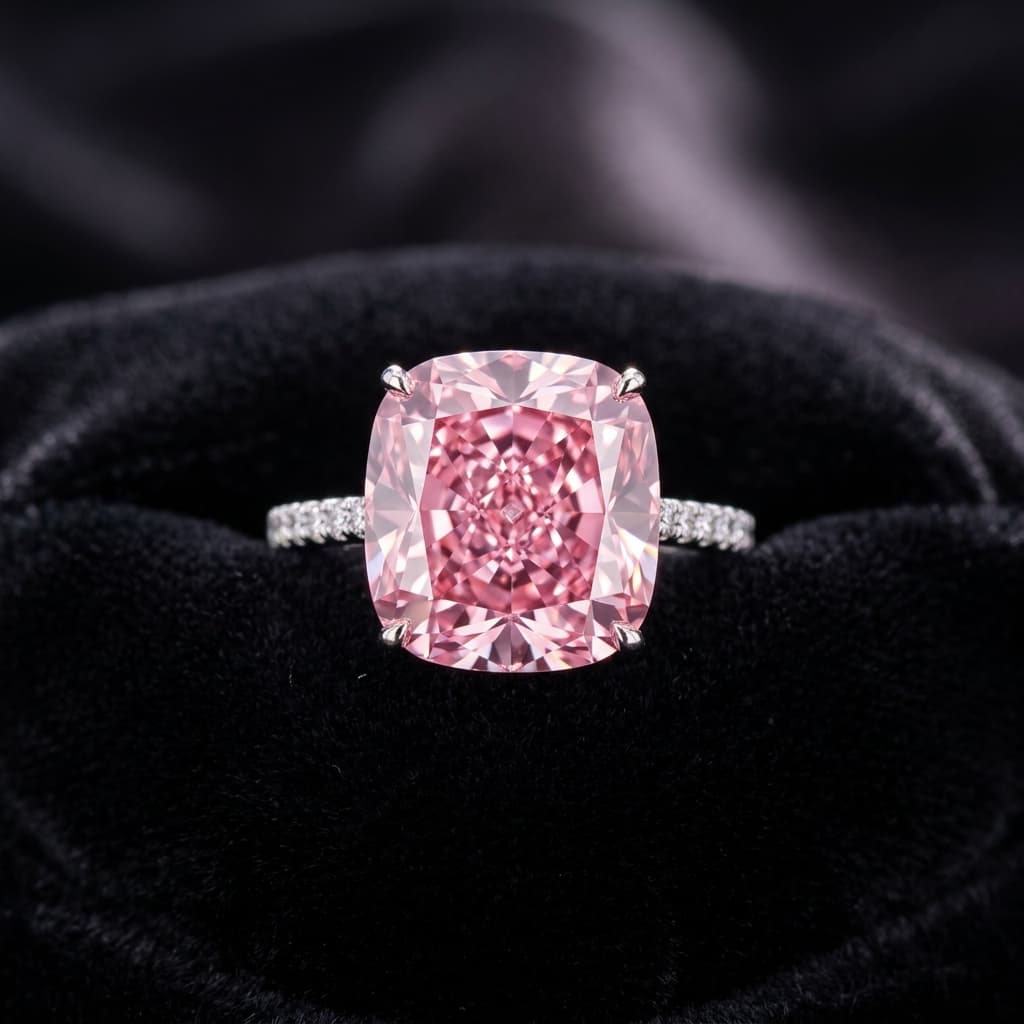
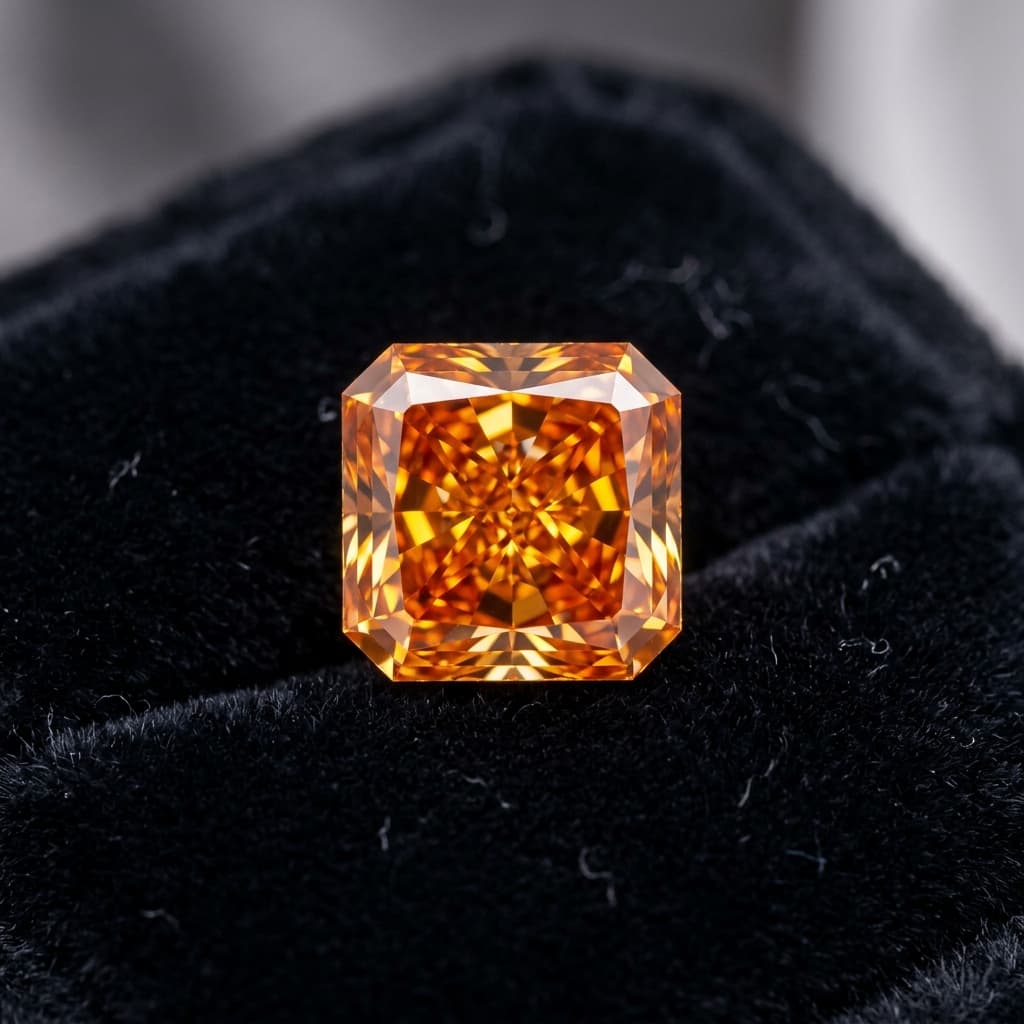
Natural Fancy pink diamonds are valued for colors ranging from delicate pink to strongly saturated hues. GIA evaluates the exact hue, tone, saturation, modifiers, and color origin for each submitted stone.
Understanding Fancy Pink Gems
Geological Origin
GIA research found that the color of the overwhelming majority of natural pink diamonds studied was associated with a broad 550 nm absorption band linked to plastic deformation of the crystal lattice. A much smaller group owes its pink color to nitrogen-vacancy centers. Laboratory testing is required to determine color origin and identify treatments.
Hue & Secondary Overtones
GIA color descriptions in this range can include unmodified pink, purplish pink, orangy pink, brownish pink, and related combinations. The modifier is part of the full color grade and should be considered together with tone, saturation, color distribution, and the stone's other characteristics.
Market & Valuation
The Argyle mine, a historically important source of pink and red diamonds, ceased production in November 2020. Pink diamonds also occur at other deposits, so provenance should be supported by appropriate documentation rather than inferred from color alone.
Fancy Color Intensity Scale
GIA describes colored diamonds using nine grade terms from Faint through Fancy Dark. The terms reflect hue, tone, and saturation; they are not a linear price scale. See the GIA fancy color diamond grading guide.
Key Facts
Evaluating Pink Diamonds
Buyers should compare a pink diamond's laboratory report, exact color description, color origin, carat weight, clarity, cut, provenance, and current comparable transactions. Historical results for other diamonds do not guarantee liquidity, future appreciation, or resale timing.
Why B2B Buyers Choose S.RONEN
Available Fancy Pink Inventory

1.01ct Cushion
Fancy Brownish Pink
0.30ct Pear
Fancy Intense Purple Pink

0.51ct Pear
Fancy Purplish Pink

1.00ct Heart
Fancy Brownish Pink

1.00ct Cushion
Fancy Brownish Pink

1.01ct Heart
Fancy Brownish Pink

0.31ct Heart
Fancy Intense Purple Pink

1.01ct Pear
Fancy Brownish Pink

1.07ct Pear
Fancy Brown Pink

0.10ct Pear
Fancy Intense Purple Pink

0.32ct Pear
Fancy Intense Pink

1.00ct Radiant
Fancy Brownish Pink

0.50ct Radiant
Fancy Brownish Pink

1.05ct Radiant
Fancy Brownish Pink

0.70ct Cushion
Very Light Pink

0.60ct Cushion
Light Pink

1.01ct Round
Fancy Light Pink

2.00ct Pear
Fancy Brown Pink

1.45ct Pear
Fancy Light Pink

1.16ct Pear
Fancy Light Pink

1.13ct Radiant
Fancy Deep Orangy Pink
1.01ct Round
Very Light Pink

0.47ct Cushion
Fancy Deep Pink

0.51ct Radiant
Fancy Light Pink

0.46ct Oval
Fancy Intense Pink
0.33ct Pear
Fancy Deep Pink

1.01ct Oval
Fancy Brownish Pink
0.24ct Heart
Fancy Intense Pink

0.37ct Cushion
Fancy Intense Pink

0.25ct Marquise
Fancy Intense Pink

0.25ct Pear
Fancy Intense Purplish Pink

0.27ct Pear
Fancy Intense Purplish Pink

0.25ct Pear
Fancy Intense Purplish Pink

0.14ct Round
Fancy Intense Purple Pink

0.27ct Pear
Fancy Intense Purplish Pink

1.01ct Oval
Fancy Deep Orangey Pink

1.05ct Marquise
Fancy Intense Purplish Pink
Pink Diamond FAQ
How much does a pink diamond cost per carat?
There is no reliable universal price-per-carat range for natural pink diamonds. Price depends on color origin, the complete color description, carat weight, clarity, cut, provenance, and current comparable transactions. Argyle provenance should be supported by documentation and assessed as one characteristic of the specific stone.
Are pink diamonds a good investment?
Natural pink diamonds are individual, illiquid assets. Buyers should review the laboratory report, complete color grade, condition, provenance, and current comparable transactions. Past market performance for a category or another stone does not predict a future resale price or time to sell.
What is the difference between a pink diamond and an Argyle pink diamond?
An Argyle pink diamond has documented provenance from Rio Tinto's former Argyle mine in Western Australia, which ceased production in November 2020. Argyle used proprietary color terminology that is separate from GIA grading. Buyers should inspect the available provenance documents and the laboratory report for the individual stone.
Why are pink diamonds so rare?
Strong natural pink color is uncommon. GIA research links the color of most natural pink diamonds studied to lattice deformation and notes that pink diamonds represented much less than 0.1% of production at the Argyle mine. That mine-specific figure should not be treated as a universal percentage for all diamonds.
Related Fancy Color Guides
Bespoke Pink Acquisition
If our active inventory does not match your specific parameters, submit a bespoke sourcing request. S.RONEN DIAMOND LTD maintains offline vault stock and direct relations with global diamond cutters to source a stone matching your color, size, shape, quality, and grading-report requirements.