Natural Fancy Blue Diamonds
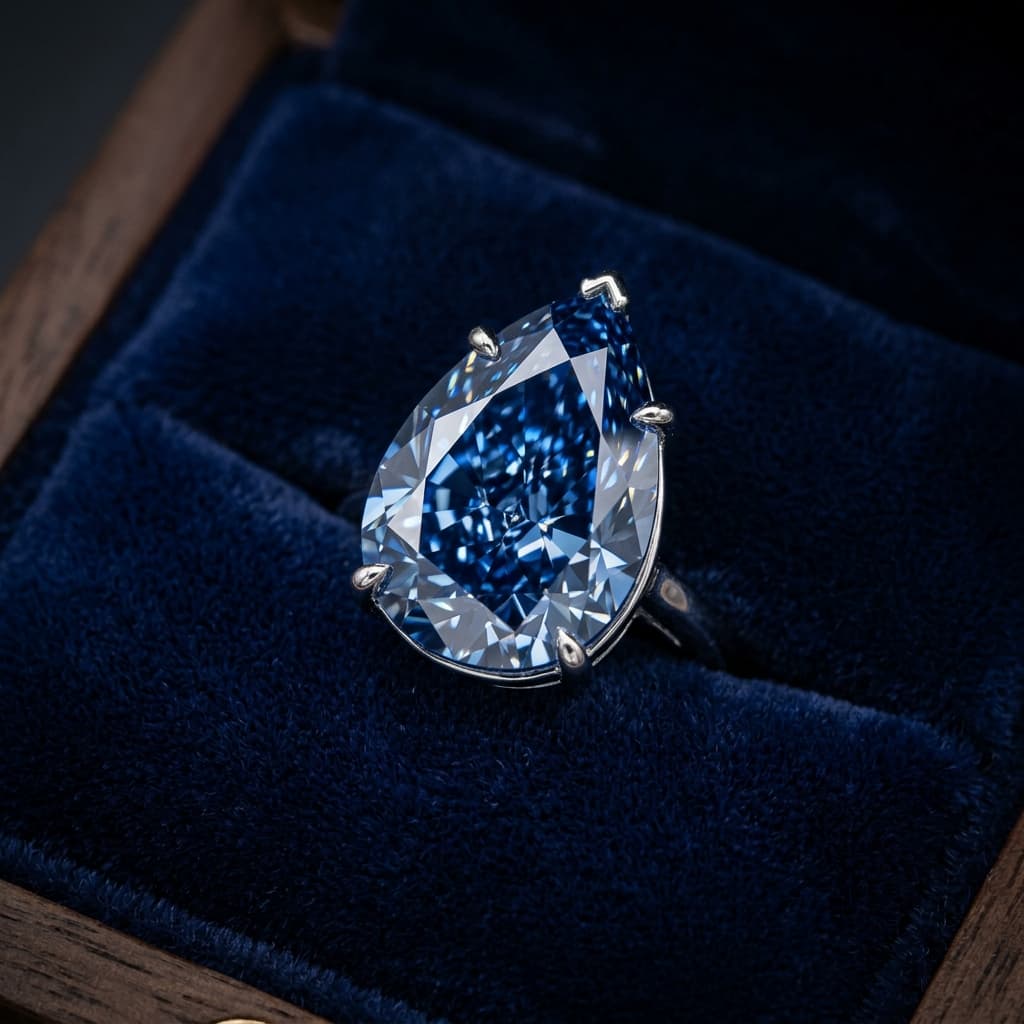
Natural blue diamonds are associated historically with royalty, important collections, and notable public auction results. Their color can arise from boron or from several structural defects, and a laboratory report is essential for confirming color origin and the complete grade.
Understanding Fancy Blue Gems
Geological Origin
Many natural blue diamonds are Type IIb, with trace boron in the crystal lattice producing their blue appearance. GIA research has also identified radiation-related and hydrogen-related defects as causes of color within the broader blue, gray, and violet range. Laboratory testing is required to determine a diamond's color origin and characteristics.
Hue & Secondary Overtones
GIA color descriptions may include modifiers such as grayish or greenish, while unmodified blue has no secondary hue in its color grade. Hue, tone, and saturation are assessed together. Strongly saturated unmodified blue diamonds are highly sought after, while a gray secondary hue can sometimes affect value. The market effect depends on the diamond's complete grade and individual characteristics.
Market & Valuation
Natural blue diamonds are scarce, and exceptional examples have achieved high public auction results. These sales document demand for specific stones; they do not establish price stability, liquidity, or protection from financial-market volatility.
Fancy Color Intensity Scale
GIA describes colored diamonds using nine grade terms from Faint through Fancy Dark. The terms reflect hue, tone, and saturation; they are not a linear price scale. See the GIA fancy color diamond grading guide.
Key Facts
Blue Diamond Public Auction References
Verified historical results for exceptional stones. All prices in USD.
These public auction results relate to two exceptional Fancy Vivid Blue diamonds and are historical reference points, not current wholesale price ranges or valuation guidance. The price of another blue diamond depends on its complete laboratory grade, color origin, modifiers, carat weight, clarity, cut, provenance, and current availability. Contact S.RONEN for a stone-specific quotation.
Blue Diamond Market Context
Public results from Sotheby's and Christie's provide transparent reference points for exceptional stones. Buyers should evaluate each diamond by its laboratory report, color origin, complete grade, carat weight, clarity, cut, provenance, and current comparable transactions. Past auction results do not predict resale price or time to sell.
Why B2B Buyers Choose S.RONEN
Available Fancy Blue Inventory


Blue Diamond FAQ
How much does a blue diamond cost per carat?
There is no single reliable price-per-carat range for natural blue diamonds. Price depends on the complete laboratory grade, color origin, modifiers, carat weight, clarity, cut, provenance, and current availability. Public auction results for exceptional stones are historical reference points, not wholesale pricing guides. Contact S.RONEN for a stone-specific quotation.
Are natural blue diamonds treated?
Both natural-color and treated blue diamonds exist. A recognized laboratory report can state whether the color is natural or treated and provide the complete color grade. Every S.RONEN inventory listing discloses its laboratory and grading-report status, including when no report is available.
What makes a blue diamond so rare?
Natural blue diamonds are rarely encountered. GIA research found that the overwhelming majority of natural-color blue diamonds examined were Type IIb, in which trace boron can produce the blue color. Their rarity should be assessed through laboratory identification and current market evidence rather than a universal occurrence ratio.
What are the most famous blue diamonds?
The Hope Diamond (45.52 ct, Smithsonian Institution) is the world's most famous blue diamond. Other notable examples include the Oppenheimer Blue (14.62 ct Fancy Vivid, $57.5M at Christie's in 2016) and the Blue Moon of Josephine (12.03 ct Fancy Vivid, $48.4M at Sotheby's in 2015). These landmark sales remain among the most notable public auction results for exceptional Fancy Vivid Blue diamonds.
Related Fancy Color Guides
Bespoke Blue Acquisition
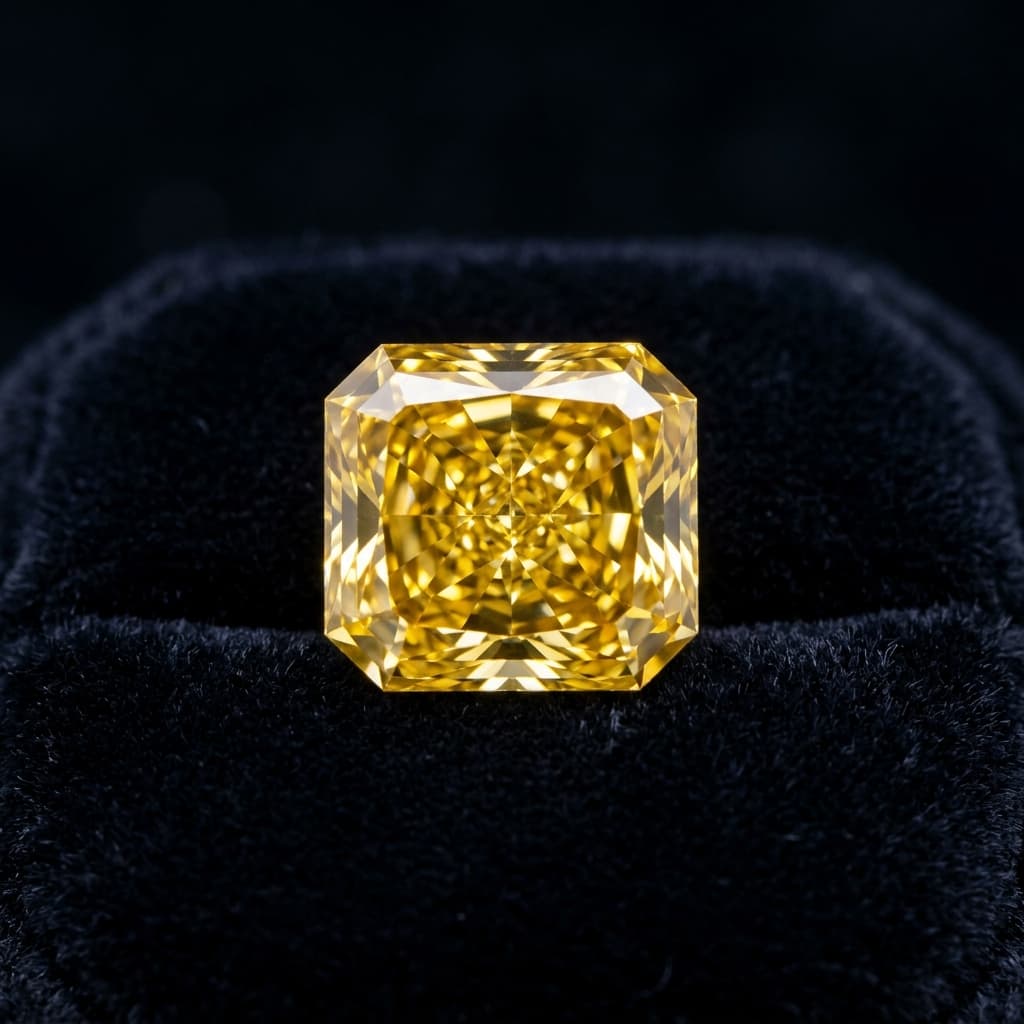
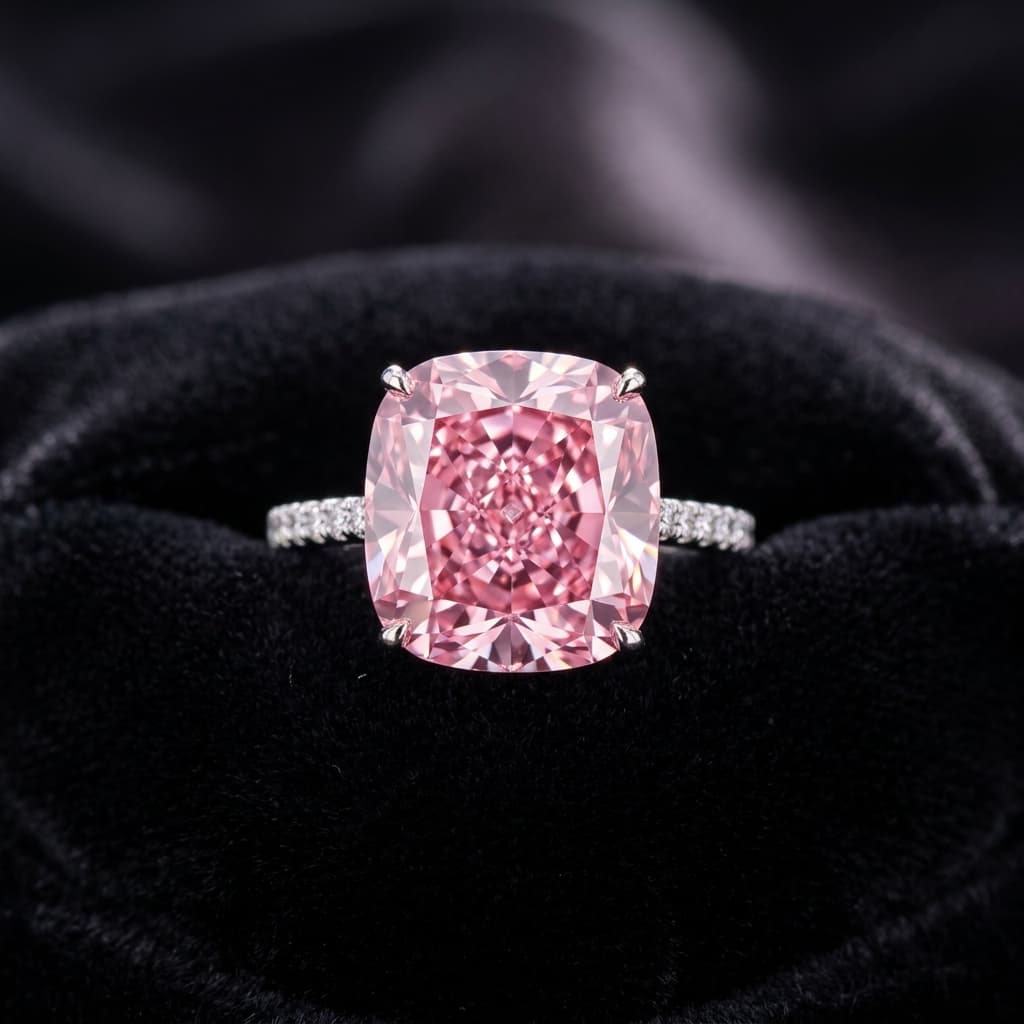
If our active inventory does not match your specific parameters, submit a bespoke sourcing request. S.RONEN DIAMOND LTD maintains offline vault stock and direct relations with global diamond cutters to source a stone matching your color, size, shape, quality, and grading-report requirements.