Natural Fancy Green Diamonds
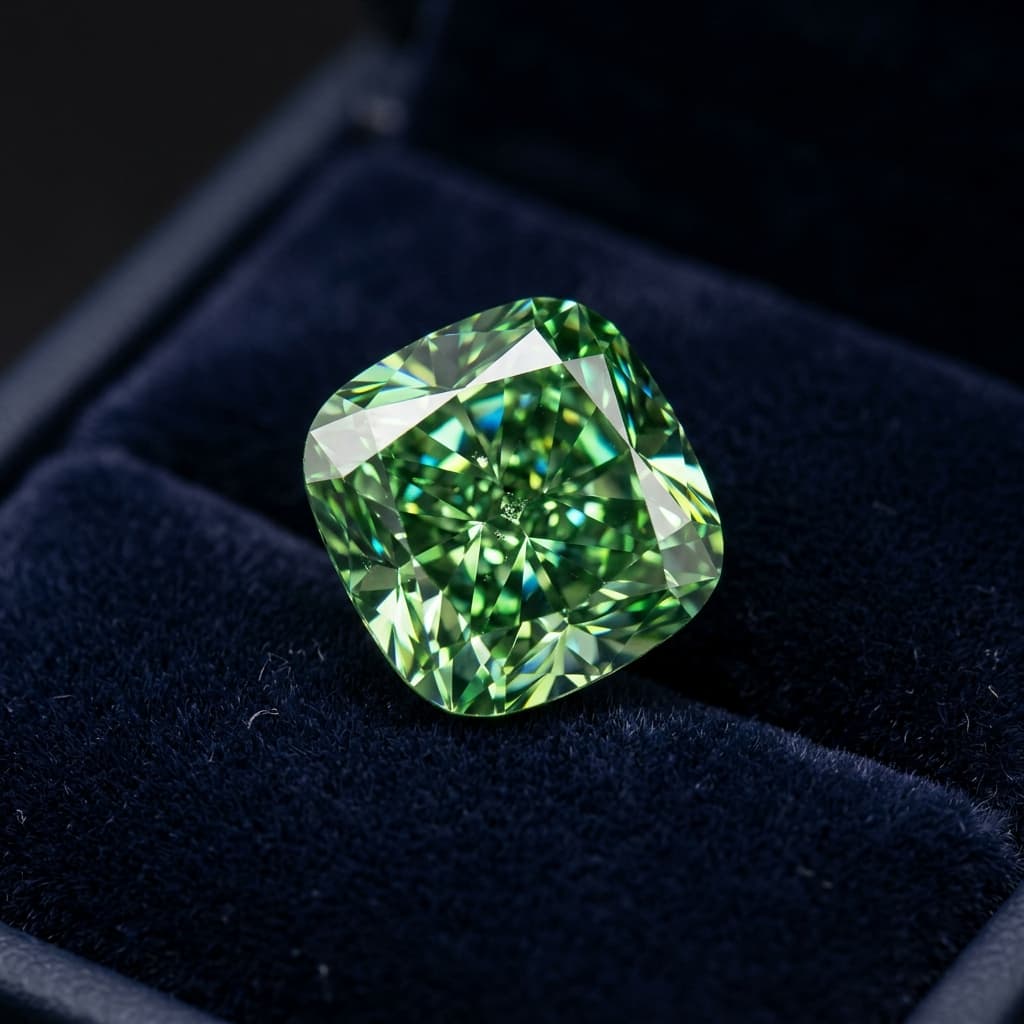
Natural Fancy green diamonds can receive their color from radiation-related defects and several other mechanisms. Determining whether green color is natural or treated can be challenging and requires laboratory examination.
Understanding Fancy Green Gems
Geological Origin
Radiation damage is the most common cause of natural green color in GIA's research, but H3 luminescence and hydrogen- or nickel-related defects can also produce green hues. Natural radiation stains are often shallow and may be partly or completely removed during faceting.
Hue & Secondary Overtones
GIA color descriptions can include yellow, gray, brown, or blue components with green. Because natural and laboratory irradiation can create similar appearances, a laboratory may sometimes report the color origin as undetermined rather than natural or treated.
Market & Valuation
A green diamond's report should be checked for the stated color origin, exact color grade, and any treatment information. Color appearance alone cannot establish whether the color is natural or laboratory induced.
Fancy Color Intensity Scale
GIA describes colored diamonds using nine grade terms from Faint through Fancy Dark. The terms reflect hue, tone, and saturation; they are not a linear price scale. See the GIA fancy color diamond grading guide.
Key Facts
Evaluating Green Diamonds
Buyers should evaluate the laboratory conclusion, complete color grade, carat weight, clarity, cut, condition, provenance, and current comparable transactions. The Dresden Green is a prominent historical example, but it is not a pricing reference for another stone.
Why B2B Buyers Choose S.RONEN
Available Fancy Green Inventory

1.01ct Oval
Fancy Green
2.21ct Pear
Light Green

0.27ct Oval
Fancy Vivid Bluish Green

0.54ct Round
Light Green
1.00ct Cushion
Fancy Dark Gray Yellowish Green

0.82ct Oval
Light Green

0.70ct Radiant
Fancy Light Bluish Green

2.01ct Pear
Fancy Dark Gray Green

1.22ct Pear
Fancy Dark Gray Yellowish Green

2.01ct Cushion
Fancy Deep Yellowish Green
Green Diamond FAQ
Why are green diamonds so hard to certify?
Natural and laboratory irradiation can produce similar green color. Laboratories examine radiation stains, spectra, luminescence, and other features, but GIA notes that there is no single definitive test and some stones receive an undetermined color-origin result.
Are natural green diamonds treated?
Both natural-color and treated-color green diamonds exist, and their appearance can be similar. Every S.RONEN inventory listing discloses its laboratory and grading-report status, including when no report is available; buyers should review the color-origin conclusion stated in the report itself.
What is the most famous green diamond?
The Dresden Green is a well-known 41-carat natural green diamond in Dresden's historic Green Vault collection. GIA gemologists examined the stone in 1988, and its documented history predates modern artificial irradiation.
Related Fancy Color Guides
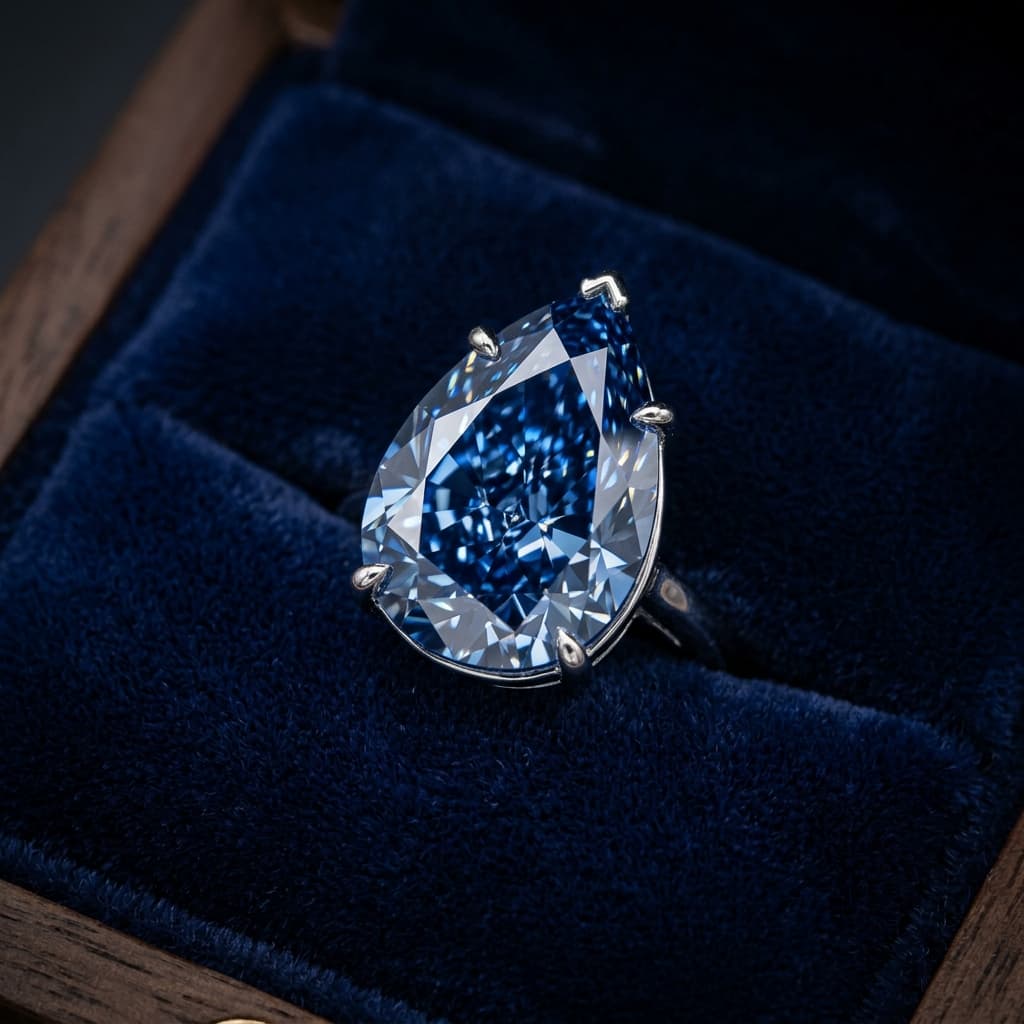
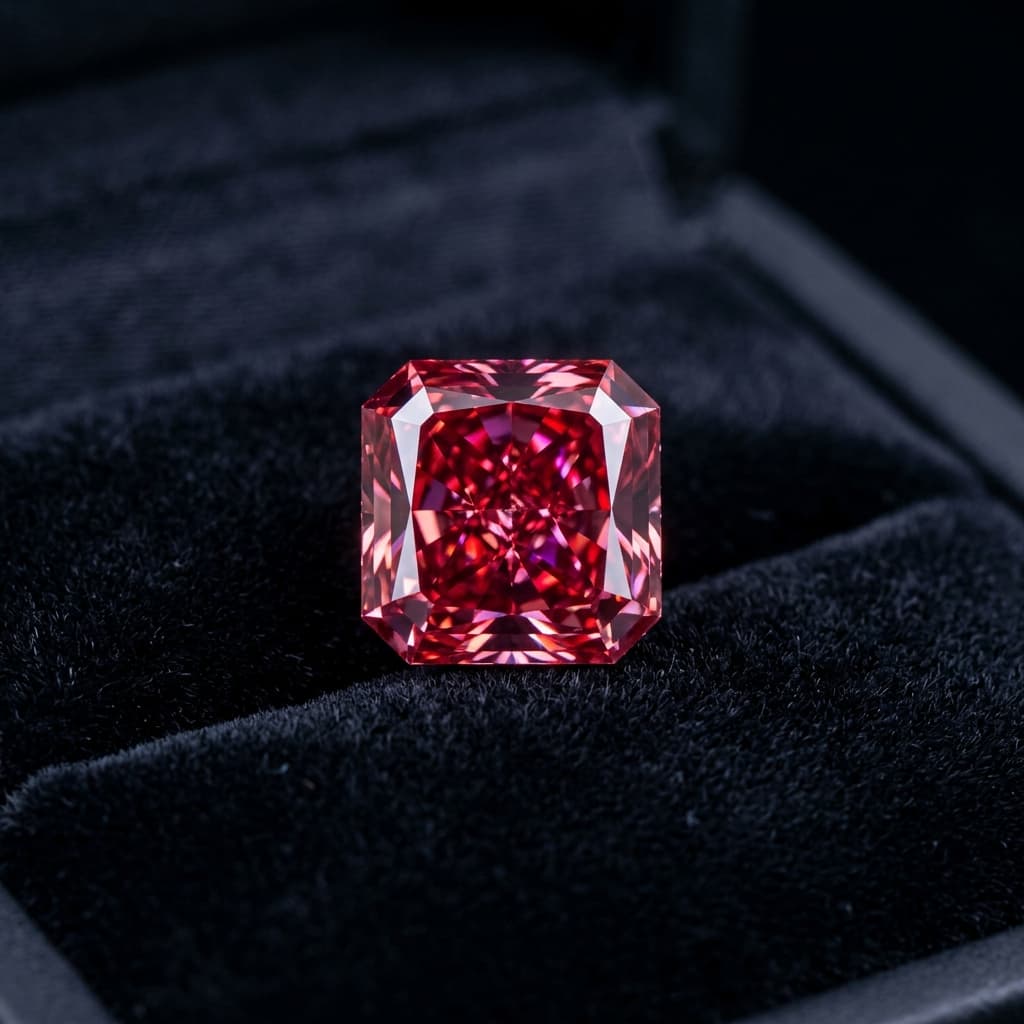
Bespoke Green Acquisition
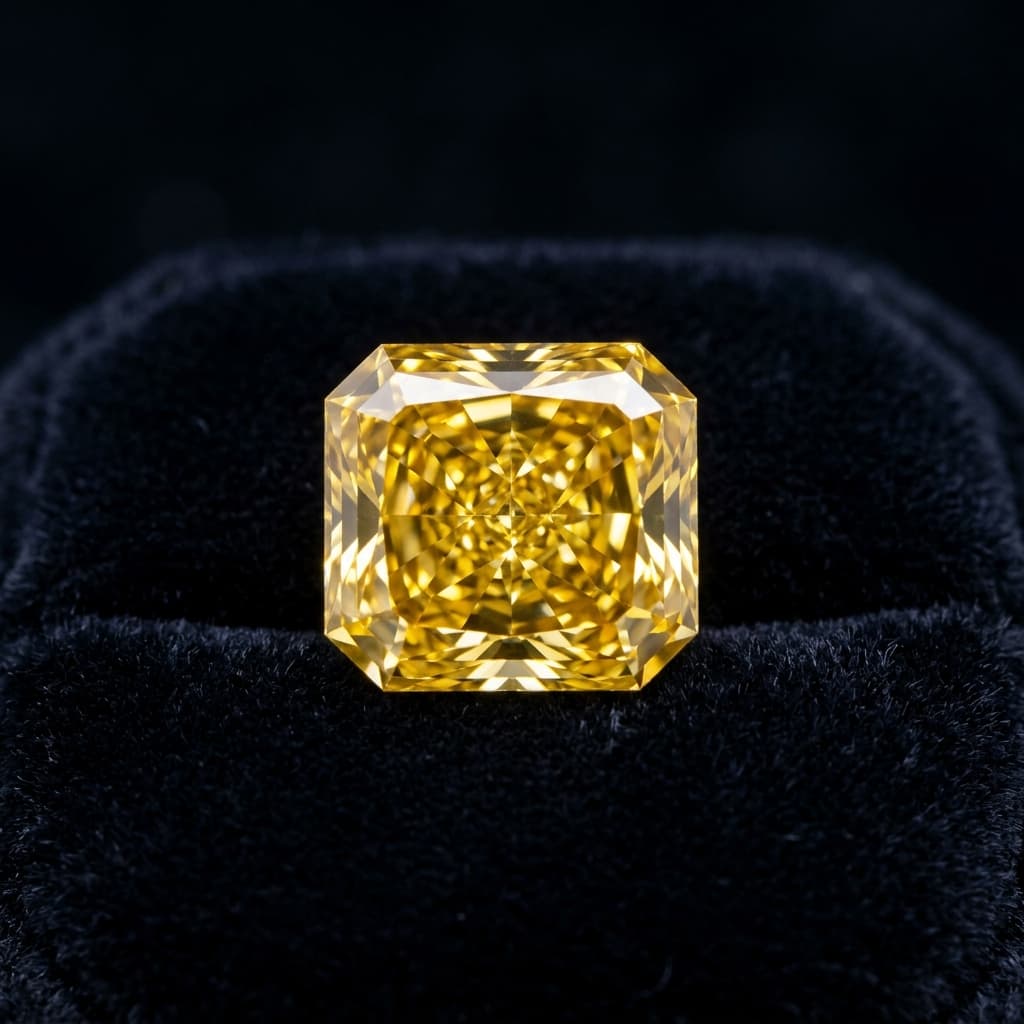
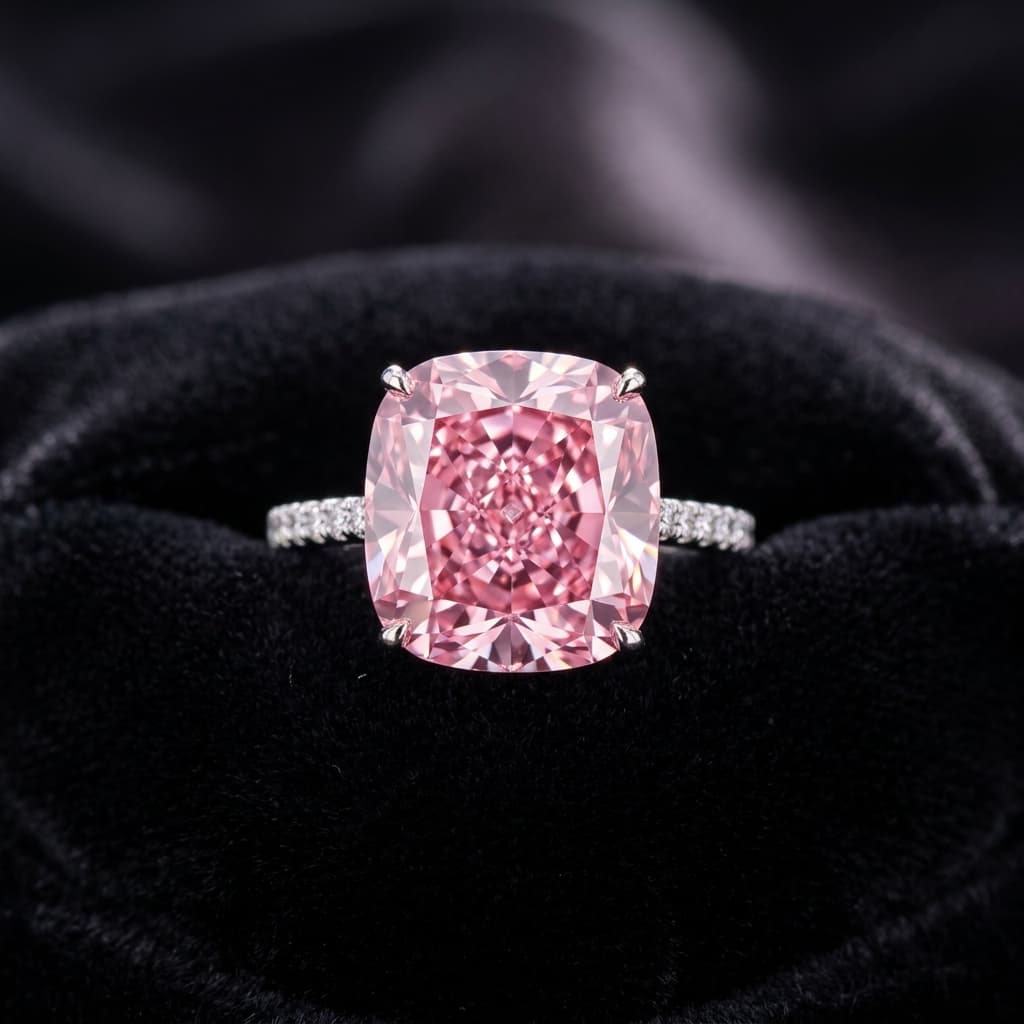
If our active inventory does not match your specific parameters, submit a bespoke sourcing request. S.RONEN DIAMOND LTD maintains offline vault stock and direct relations with global diamond cutters to source a stone matching your color, size, shape, quality, and grading-report requirements.