
Natural Fancy Gray Diamonds
Natural gray diamonds range from neutral gray to colors modified by blue, violet, green, or yellow. Their appearance and cause of color vary, so laboratory identification is important when comparing stones.
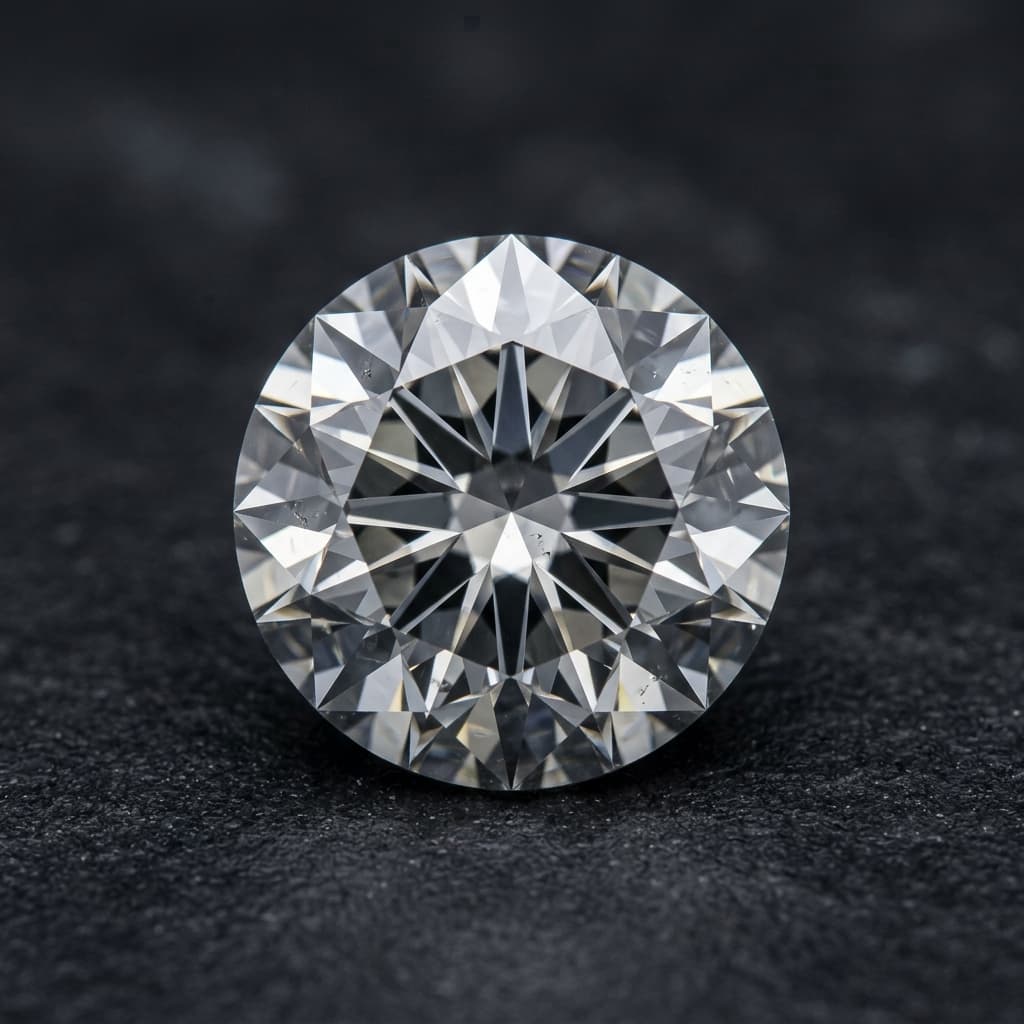
Understanding Fancy Gray Gems
Geological Origin
GIA research identifies several causes of natural gray and gray-blue color, including boron, hydrogen-related defects, radiation-related defects, and clouds of microscopic inclusions. Diamond type and spectroscopy help distinguish these mechanisms.
Hue & Secondary Overtones
A GIA color description may include blue, violet, green, or yellow with gray. The dominant hue appears last, so bluish gray and grayish blue describe different balances of color. No universal premium follows from a modifier alone.
Market & Valuation
Gray diamonds can suit contemporary jewelry designs, but their commercial description should follow the laboratory grade. Price comparisons should use stones with similar color origin, hue order, tone, saturation, transparency, size, clarity, and cut.
Fancy Color Intensity Scale
GIA describes colored diamonds using nine grade terms from Faint through Fancy Dark. The terms reflect hue, tone, and saturation; they are not a linear price scale. See the GIA fancy color diamond grading guide.
Key Facts
Evaluating Gray Diamonds
Buyers should review the report, cause and origin of color, complete grade, transparency, condition, and current comparable transactions. A blue or violet modifier does not by itself establish investment performance or resale liquidity.
Why B2B Buyers Choose S.RONEN
Available Fancy Gray Inventory
1.09ct Round
Fancy Gray
2.00ct Emerald
Fancy Dark Gray

2.14ct Cushion
Fancy Gray
0.53ct Emerald
Fancy Dark Gray

1.04ct Round
Fancy Dark Gray

0.93ct Round
Fancy Gray

1.04ct Pear
Fancy Gray

5.05ct Pear
Fancy Gray
Gray Diamond FAQ
Are gray diamonds natural?
Gray color can occur naturally through several mechanisms, and gray appearances can also occur in treated or laboratory-grown material. Every S.RONEN inventory listing discloses its laboratory and grading-report status, including when no report is available.
What is the difference between a gray diamond and a salt-and-pepper diamond?
Salt-and-pepper is a trade term, not a standardized GIA color grade, and usually describes a visibly included appearance. A diamond graded Fancy gray may receive its color from atomic defects or from clouds of microscopic inclusions. The report and the stone's transparency and clarity should be reviewed rather than relying on the nickname.
Why do some gray diamonds have a blue tint?
Some Type IIb gray or gray-blue diamonds contain boron, which can contribute to their color and electrical conductivity. Other gray diamonds receive their appearance from hydrogen-related or radiation-related defects or from inclusions, so laboratory testing is needed.
Related Fancy Color Guides
Bespoke Gray Acquisition
If our active inventory does not match your specific parameters, submit a bespoke sourcing request. S.RONEN DIAMOND LTD maintains offline vault stock and direct relations with global diamond cutters to source a stone matching your color, size, shape, quality, and grading-report requirements.