
Natural Fancy Chameleon Diamonds
Natural fancy chameleon diamonds are among the most fascinating and scientifically intriguing gemstones in existence. Celebrated for their unique ability to change color temporarily when exposed to heat or kept in complete darkness, these rare stones represent a magical blend of natural wonder and gemological mystery.
Understanding Fancy Chameleon Gems
Geological Origin
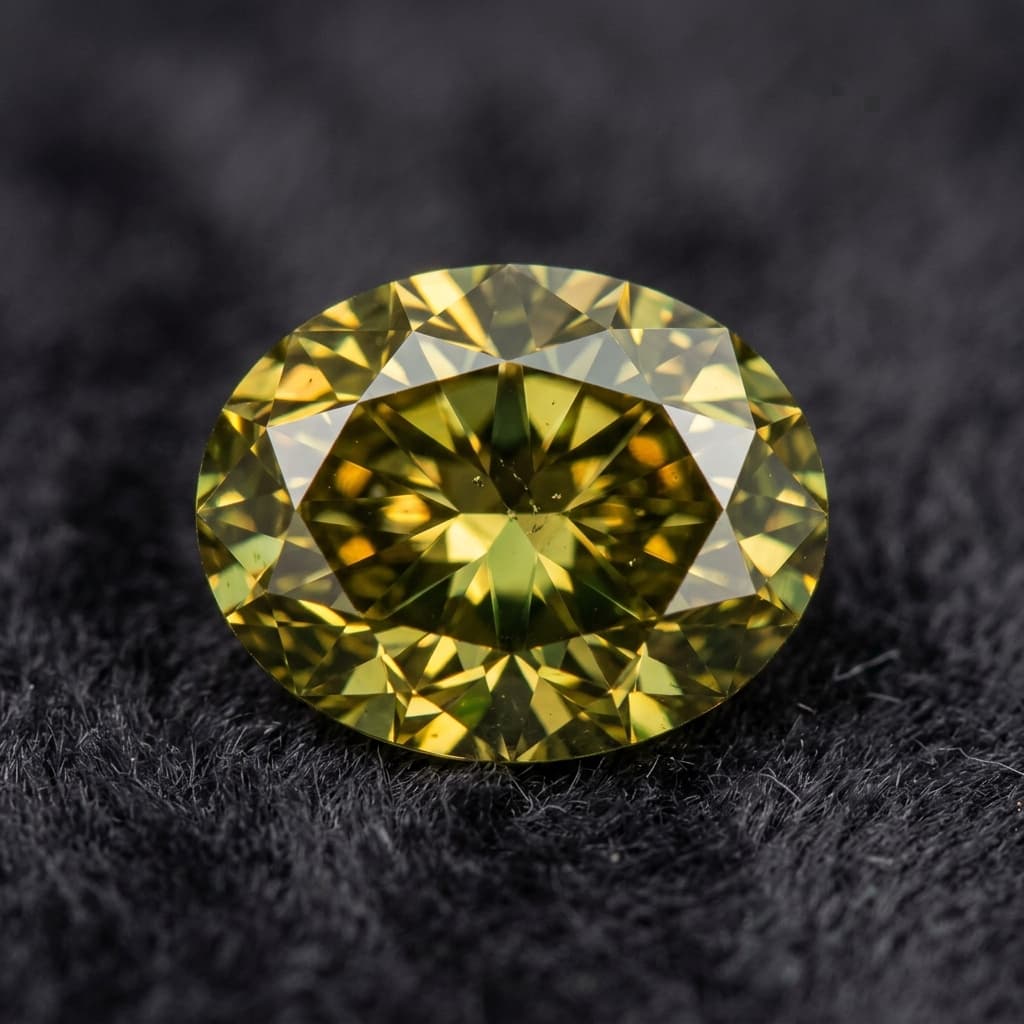
Chameleon diamonds show a temporary color change after gentle heating or extended darkness. GIA research associates them with the 480 nm absorption band and characteristic fluorescence and phosphorescence, while the complete physical mechanism remains under study.
Hue & Secondary Overtones
Classic chameleon diamonds commonly change from a green or grayish green appearance to yellow or orangy yellow. GIA laboratory reports can include a comment identifying the chameleon color-change property when its testing criteria are met.
Market & Valuation
The chameleon designation describes a tested color-change behavior, not a universal price tier. Buyers should verify the report comment and evaluate the stone's stable color grade, color origin, size, clarity, cut, and condition.
Fancy Color Intensity Scale
GIA describes colored diamonds using nine grade terms from Faint through Fancy Dark. The terms reflect hue, tone, and saturation; they are not a linear price scale. See the GIA fancy color diamond grading guide.
Key Facts
Evaluating Chameleon Diamonds
Comparable transactions can be limited, so a current quotation must be specific to the diamond. The color-change property does not guarantee liquidity, capital preservation, or future appreciation.
Why B2B Buyers Choose S.RONEN
Available Fancy Chameleon Inventory
No active fancy chameleon diamonds in catalog.
Our selection shifts dynamically. Use the sourcing form below to discuss availability and your color, size, shape, quality, and grading-report requirements.
Chameleon Diamond FAQ
How does a chameleon diamond change color?
Classic chameleon diamonds can temporarily change after gentle laboratory heating or extended storage in darkness, then return toward their stable color after cooling or light exposure. Heating should be left to a qualified gemological laboratory because high temperatures can damage a diamond or its setting.
Does GIA verify chameleon diamonds?
GIA can test a qualifying diamond for temporary color change and include a report comment when the chameleon property is observed. Check the report directly with the issuing laboratory and review the exact color-origin and color-grade fields separately.
Are chameleon diamonds stable over time?
The observed change is temporary and the stone returns toward its stable color. Care, treatment history, and report findings should be reviewed for the individual diamond; avoid repeated heating outside a laboratory.
Related Fancy Color Guides
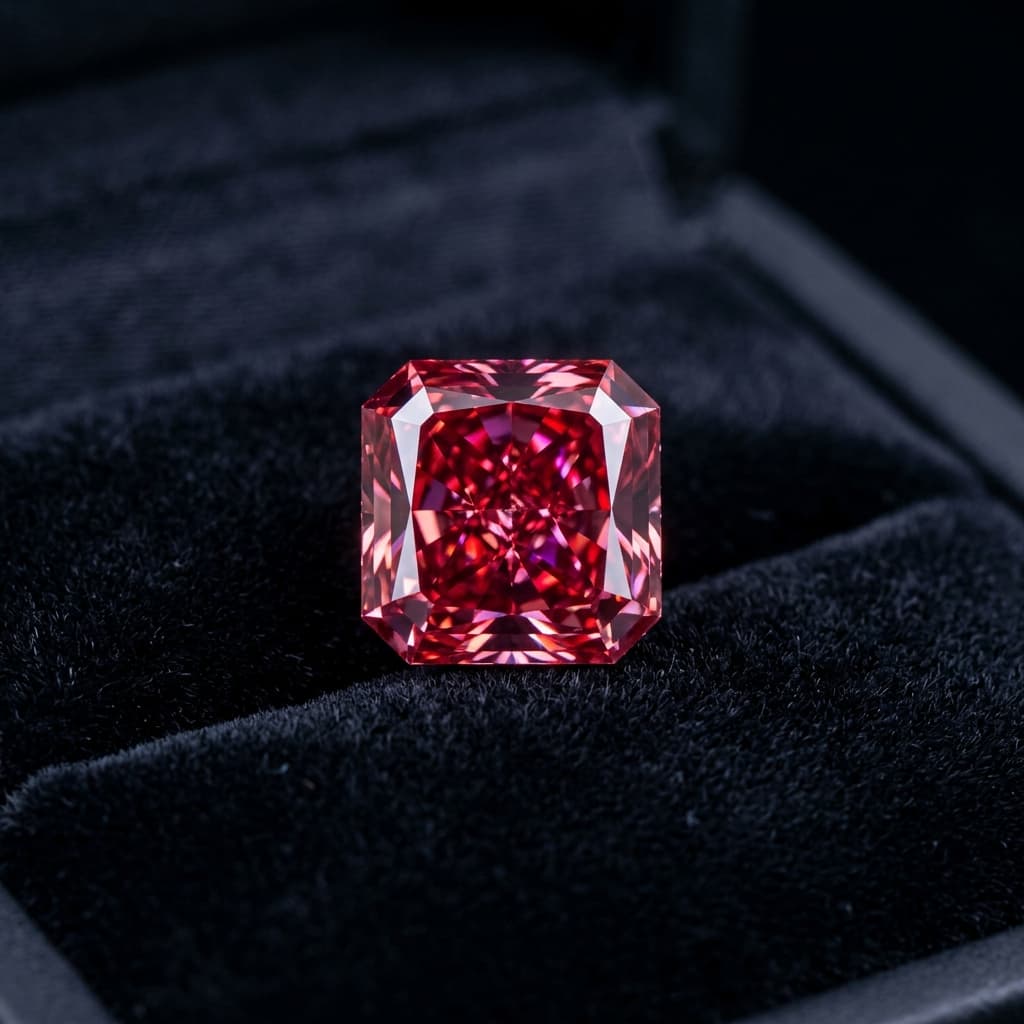
Bespoke Chameleon Acquisition
If our active inventory does not match your specific parameters, submit a bespoke sourcing request. S.RONEN DIAMOND LTD maintains offline vault stock and direct relations with global diamond cutters to source a stone matching your color, size, shape, quality, and grading-report requirements.