
Laboratory-Grown Diamonds: Growth, Identification & Disclosure
A technical overview of HPHT and CVD growth and the information buyers should verify on a laboratory report.
Exchange Member · Exporter, Importer & Manufacturer · 35+ Years
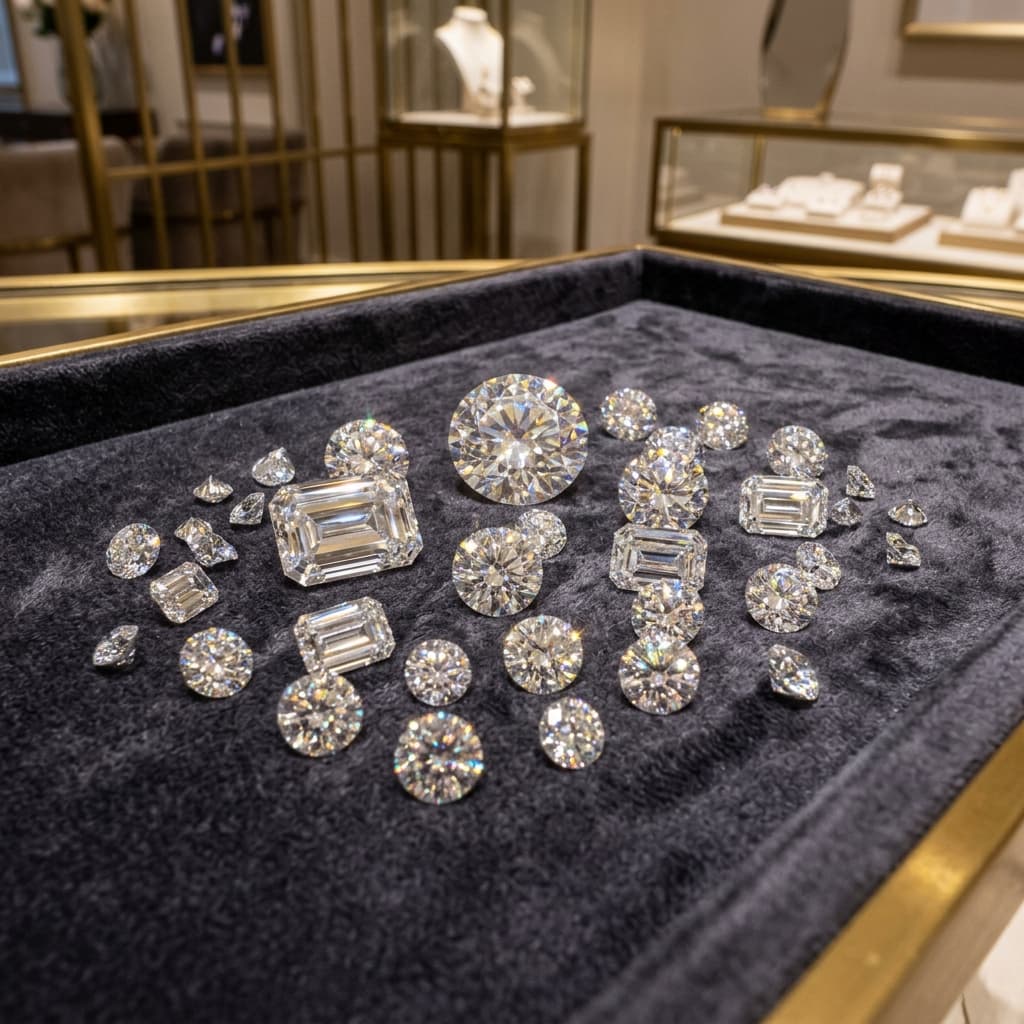
Laboratory-grown diamonds have essentially the same chemical composition, crystal structure, and optical properties as natural diamonds. Their origin differs: they are manufactured using either high-pressure, high-temperature (HPHT) or chemical vapor deposition (CVD) growth. GIA summarizes both processes in its laboratory-grown diamond guide.
Manufactured Supply
Laboratory-grown supply depends on manufacturing capacity, growth time, energy, equipment, and post-growth processing. Those inputs differ from the geological and mining constraints of natural diamonds. A current transaction should therefore be evaluated using current like-for-like quotations rather than an undated universal production-cost figure.
Two Distinct Product Origins
Natural and laboratory-grown diamonds should be managed as separately disclosed product categories:
- Natural diamonds: Formed through geological processes and identified as natural by laboratory testing.
- Laboratory-grown diamonds: Manufactured by HPHT or CVD and identified as laboratory-grown on the relevant report and disclosure.
Disclosure and Inventory Control
Retailers and dealers should keep natural and laboratory-grown inventory clearly separated and preserve the report number and treatment information through listings and invoices. The FTC Jewelry Guides statement explains that laboratory-grown origin disclosures must be clear and prominent in US marketing. S.RONEN DIAMOND LTD trades exclusively in natural fancy color diamonds; browse our wholesale terms to discuss sourcing.
Related Reports


Interested in these findings?
For inquiries about current quotations, sourcing requirements, or inventory and grading-report status, contact our Ramat Gan B2B headquarters.
Contact Headquarters