
How Carat Weight Affects Fancy Color Diamond Comparison
How to compare weight, measurements, color, and cut without relying on a universal price-per-carat formula.
Exchange Member · Exporter, Importer & Manufacturer · 35+ Years

Carat is a unit of weight, not a direct measurement of visible size. Two diamonds with the same weight can have different face-up dimensions, proportions, color distribution, and overall appearance. GIA explains that size is one of several fancy color diamond quality factors, alongside the color itself and other characteristics.
Why Weight Alone Is Not a Comparable
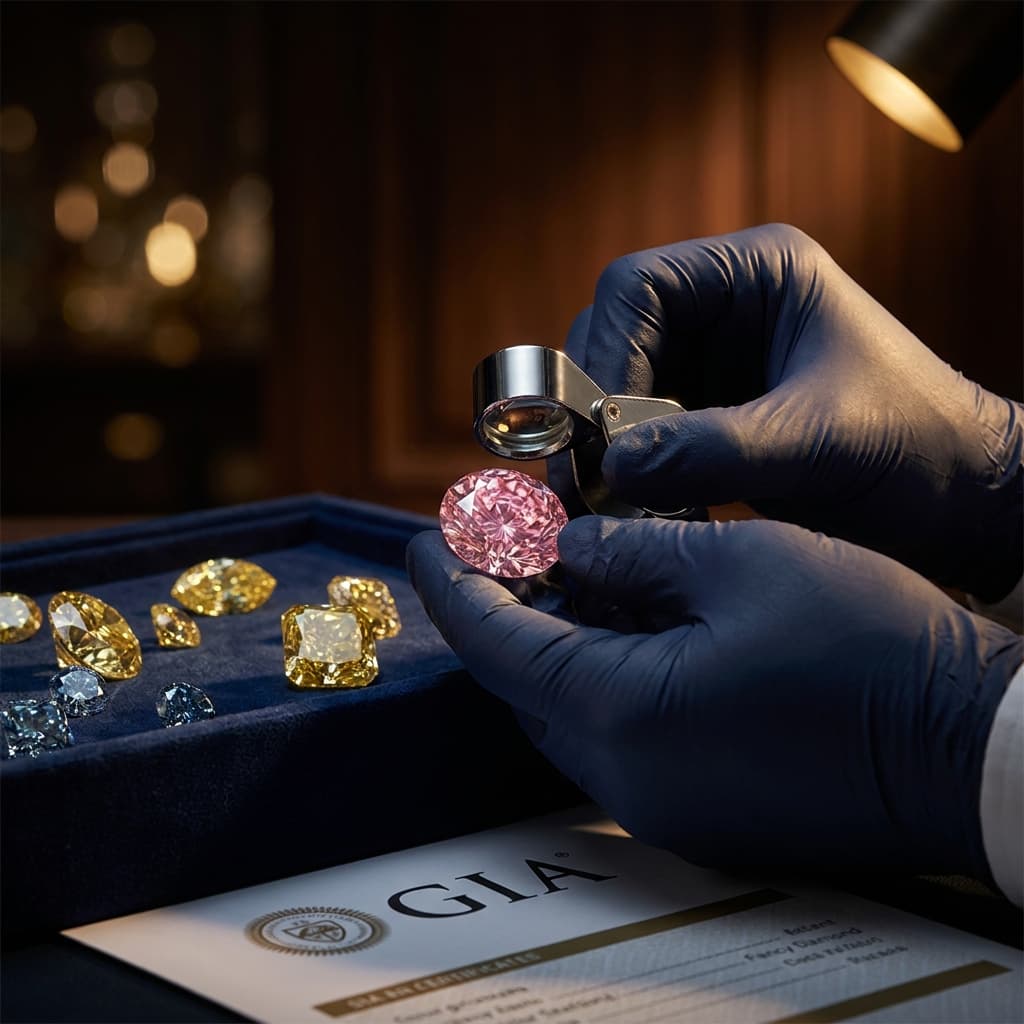
Larger fancy color diamonds can be rarer, but there is no universal percentage increase at a particular weight. A useful comparison holds as many factors constant as possible: full color description, color distribution, shape, measurements, clarity, report type, treatment disclosure, and face-up appearance.
Weight, Cut, and Face-Up Color
Cutters may choose proportions that support an attractive face-up color while retaining weight from the rough. This means spread and color performance should be judged from the stone's measurements, images or video, and in-person inspection where practical, rather than inferred from carat weight.
Practical Sourcing Implications
- Define an acceptable weight range before comparing stones.
- Compare millimeter measurements as well as carat weight.
- Use current like-for-like offers or completed transactions rather than a fixed threshold rule.
See our wholesale page to request stones within a specific weight, color, shape, and budget range.
Related Reports

Interested in these findings?
For inquiries about current quotations, sourcing requirements, or inventory and grading-report status, contact our Ramat Gan B2B headquarters.
Contact Headquarters